

How do structural foam cores reduce mass and increase stiffness in sports vehicles? By integrating advanced composite materials into hollow chassis sections, engineers transform empty cavities into load-bearing structures that significantly improve torsional stiffness and crash energy management without adding…



How can composite engineers reduce the carbon footprint of demanding industrial applications without sacrificing structural integrity? Integrating high-performance structural foam cores into sandwich construction optimizes stiffness-to-weight ratios and provides thermal stability, directly lowering lifecycle greenhouse gas emissions. A full lifecycle…

Why are original equipment manufacturers (OEMs) increasingly selecting structural foam cores for advanced lightweight composite structures? The demand is driven by the engineering requirement to balance significant weight reduction with superior thermal stability, strict flame-smoke-toxicity (FST) compliance, and manufacturing process…


How can composite engineers identify and minimize mechanical and thermal hot spots in industrial sandwich structures? By integrating high-performance structural foam cores, such as ROHACELL® PMI foam, manufacturers can effectively distribute localized stress, improve thermal stability, and prevent premature structural…


The medical device industry does not move quickly. It moves carefully. A material that proves itself in aerospace within a five-year qualification cycle might spend a decade reaching clinical approval for a load-bearing prosthetic component. The reasons are obvious –…
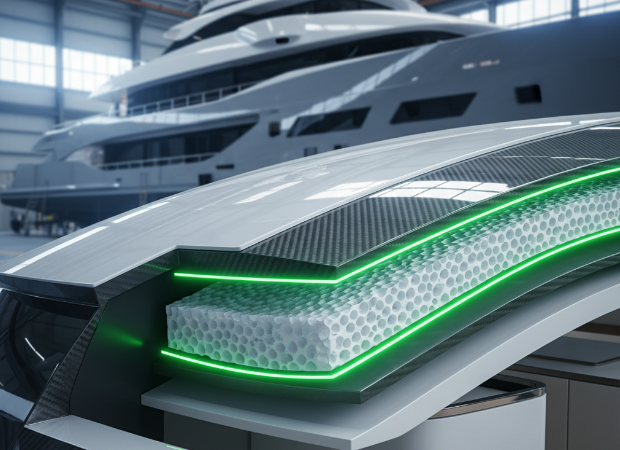

Yacht construction has always attracted materials that promise more with less. Carbon fibre replaced glass in racing hulls. Nomex honeycomb replaced plywood in deck panels. Vacuum infusion replaced hand lay-up in production yards. Each transition followed the same pattern: resistance…
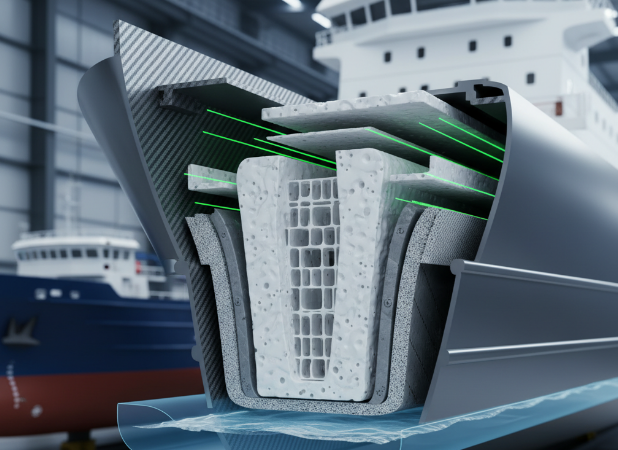

A ship is, at its core, a compromise between strength and displacement. Every kilogram of structural material above the waterline raises the centre of gravity. Every kilogram below it increases draft and wetted surface area. Naval architects have spent centuries…
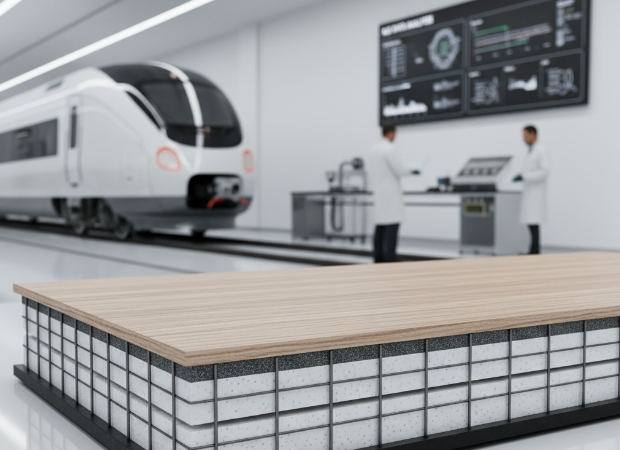

Rail transport occupies an unusual position in the materials conversation. Unlike aerospace, where every gram is tracked with near-obsessive precision, the rail sector has historically been more tolerant of mass. Steel and aluminium have dominated carriage construction for over a…
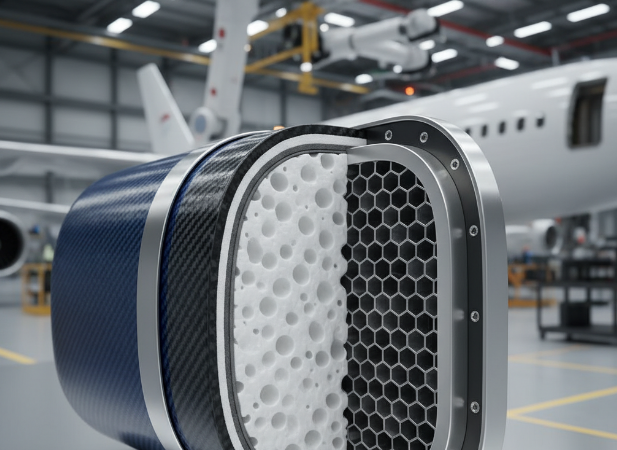

The aerospace industry has never been comfortable with compromise. Every gram added to an airframe eats into fuel economy, payload capacity, and operational range – yet every gram removed must not come at the cost of structural integrity. For decades,…
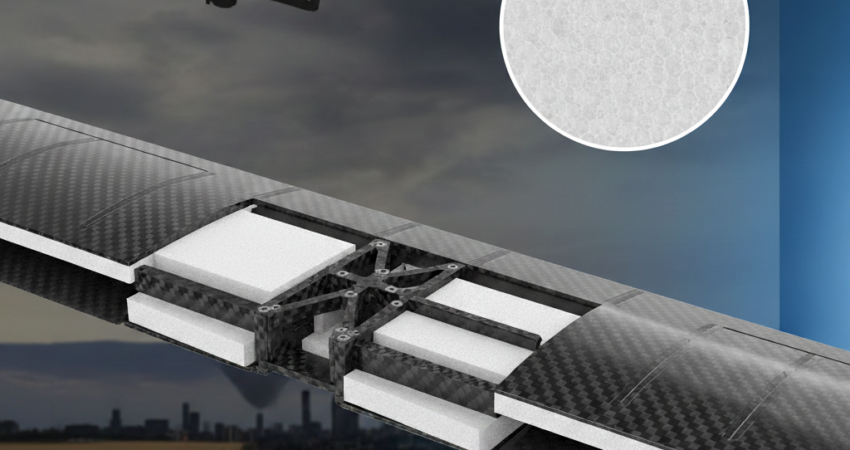

PMI foam cores are finding a natural home in drone manufacturing — where thin sandwich panels, dual-usage capability, and zero tolerance for excess weight define the engineering brief. Why Core Material Choices Matter More in Drones Than Anywhere Else In…