

How do composite engineers achieve precise tolerances and clean surfaces when CNC machining structural foam cores? Successful machining requires aligning the cutting tool, spindle speed, and feed rate with the material’s specific density and cellular structure to prevent tearing, melting,…


Why are original equipment manufacturers (OEMs) increasingly selecting structural foam cores for advanced lightweight composite structures? The demand is driven by the engineering requirement to balance significant weight reduction with superior thermal stability, strict flame-smoke-toxicity (FST) compliance, and manufacturing process…


How can composite engineers identify and minimize mechanical and thermal hot spots in industrial sandwich structures? By integrating high-performance structural foam cores, such as ROHACELL® PMI foam, manufacturers can effectively distribute localized stress, improve thermal stability, and prevent premature structural…


The medical device industry does not move quickly. It moves carefully. A material that proves itself in aerospace within a five-year qualification cycle might spend a decade reaching clinical approval for a load-bearing prosthetic component. The reasons are obvious –…
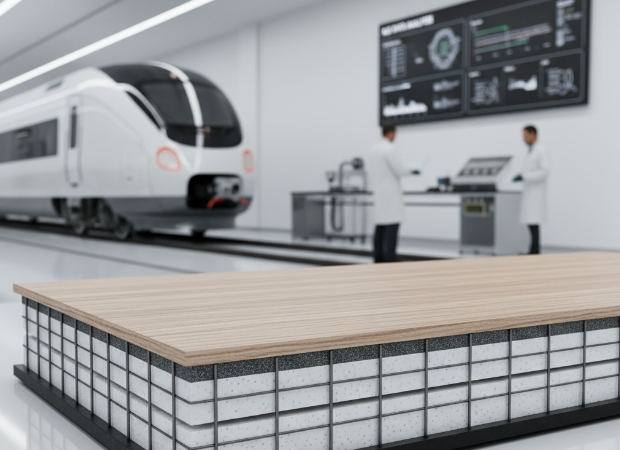

Rail transport occupies an unusual position in the materials conversation. Unlike aerospace, where every gram is tracked with near-obsessive precision, the rail sector has historically been more tolerant of mass. Steel and aluminium have dominated carriage construction for over a…
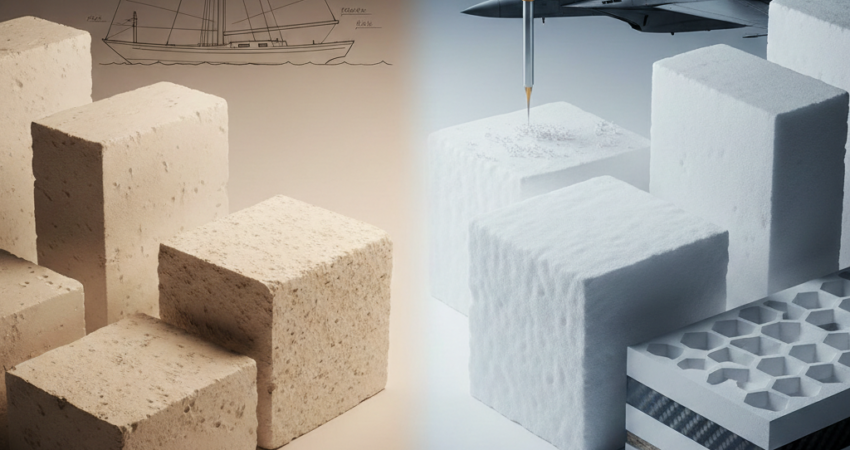

Structural foam cores have gone through decades of incremental progress. PMI chemistry changed the trajectory entirely — here’s what happened and why it matters for modern composites. Where It All Started: PVC and PET Foams For a long time, sandwich…


For decades, the composite industry relied heavily on Polyvinyl Chloride (PVC) foams as the standard core material for sandwich constructions. From wind turbine blades to boat hulls, PVC was the go-to solution due to its relatively low cost and decent…
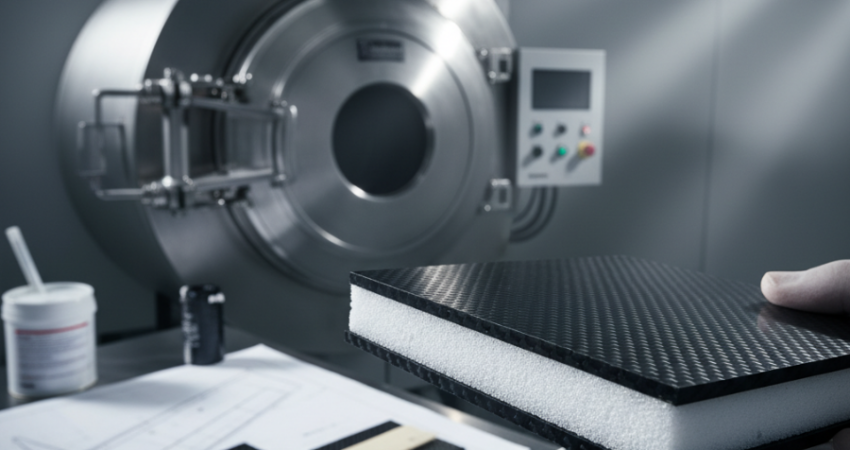

In the high-performance world of advanced composites, carbon fiber is often hailed as the “king of materials.” Its ability to provide immense tensile strength while remaining incredibly light has revolutionized industries from Formula 1 racing to commercial aviation. However, a…
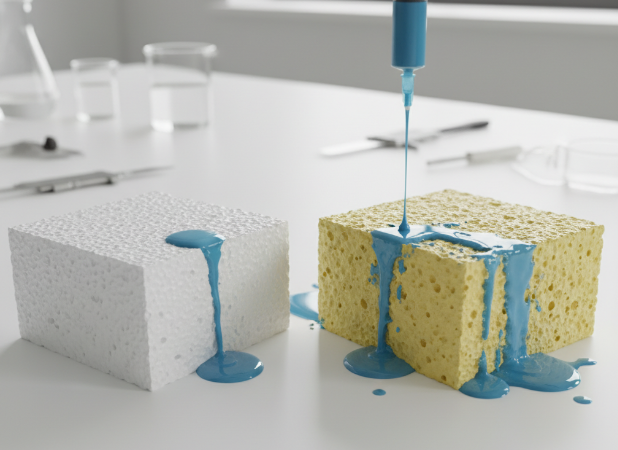

In the landscape of composite material engineering, the selection of a core material is often a trade-off between cost, weight, and performance. For decades, Polyurethane (PU) foams have been the “workhorse” of the industry due to their low cost and…
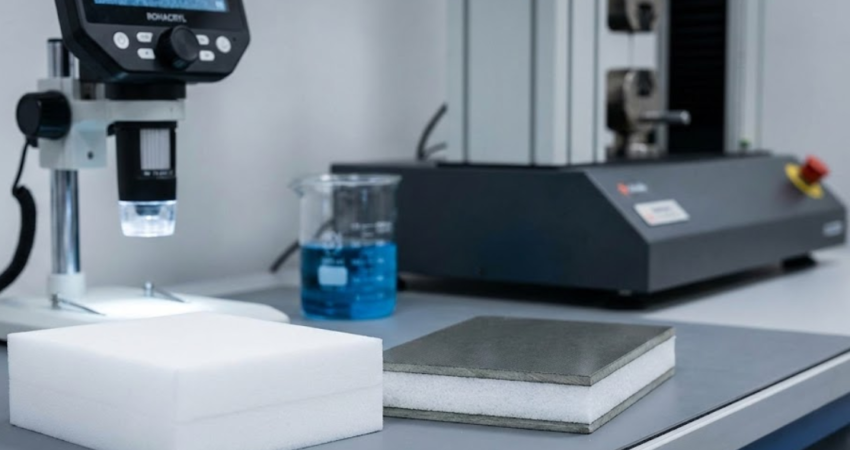

Structural foam technology doesn’t stand still. While incremental improvements to established materials continue—slightly better properties here, modest cost reductions there—genuine innovation that changes what’s possible in composite design happens rarely. ROHACRYL® represents one of those rare moments. Developed by Evonik…