Precision Shaping Without Lubricants
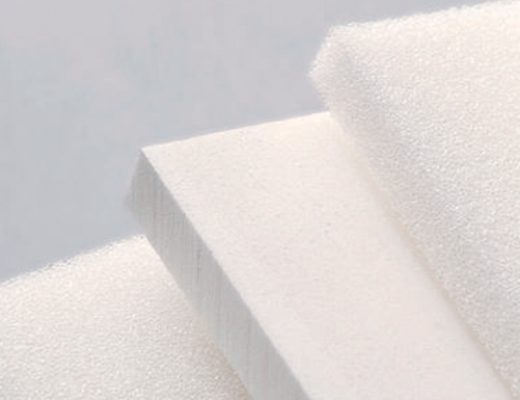
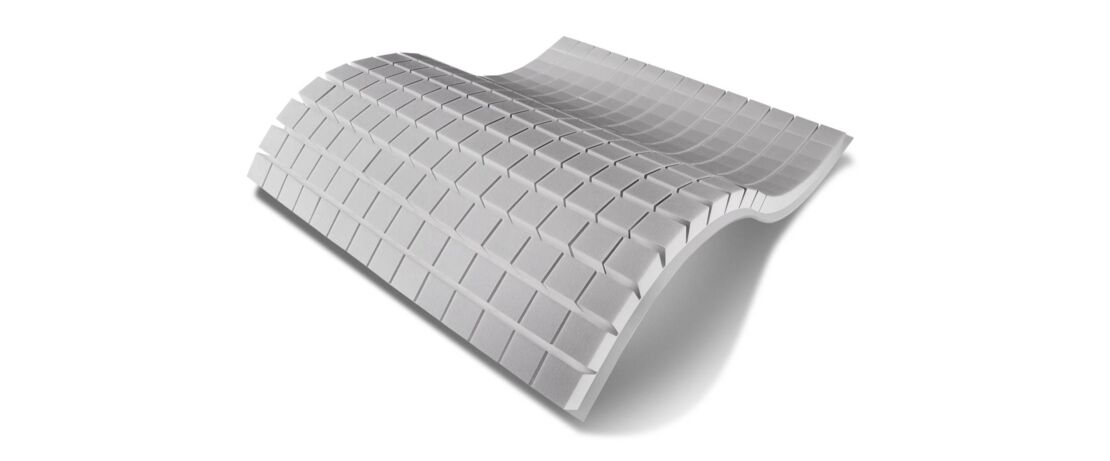
ROHACELL® PMI foam cores are exceptionally easy to machine, offering manufacturers the flexibility to create complex geometries and precise dimensions for demanding composite applications. The material can be processed using standard woodworking or plastic processing equipment, making it accessible for workshops already equipped for similar materials.
Machining Methods
ROHACELL® foam cores can be shaped using all common machining methods. Standard processing techniques include drilling, planing, milling, sawing, and sanding. The material responds well to fast-running machines and typical tooling designed for wood or plastic processing.
One significant advantage is that ROHACELL® requires no lubricants during machining. This eliminates concerns about contamination that could affect subsequent bonding or resin adhesion, and simplifies cleanup procedures.
Tooling Recommendations
Standard tools designed for wood or plastic processing work effectively with ROHACELL® foam. Sharp cutting edges produce the cleanest results with minimal cell damage at the cut surface. For optimal finish quality, particularly when surface appearance or resin uptake characteristics are critical, well-maintained tooling is recommended.
High-speed machining generally produces better results than slower cutting speeds, as the foam cuts cleanly rather than tearing or compressing.
Dust Management
All dust generated during machining operations must be collected using vacuum extraction. This is important both for maintaining a clean working environment and for ensuring that machined surfaces remain free of debris before subsequent processing steps such as bonding or lamination.
Proper dust extraction also protects the machined foam surfaces, as residual dust can interfere with adhesive bonding and resin uptake during composite manufacturing.
Timing Considerations
When heat treatment is required for your application, net-shaped cores should be machined after the heat treatment process is complete. This is because heat treatment can cause small changes in volume and surface area. Machining after thermal conditioning ensures dimensional accuracy in the final component.
For processed components that have exceeded their allowable out-time, note that re-drying is only possible to a limited extent due to potential dimensional changes during the thermal cycle.
Ready-to-Use Machined Cores
CHEM-CRAFT can supply fully processed, ready-to-use ROHACELL® foam cores machined to your specifications. This service is particularly valuable for prototyping, small production runs, or applications where in-house machining capacity is limited.
Technical Support
Our team of composite engineers understands the relationship between machining parameters and final part quality. Contact CHEM-CRAFT for guidance on machining specifications for your specific ROHACELL® grade and application requirements.